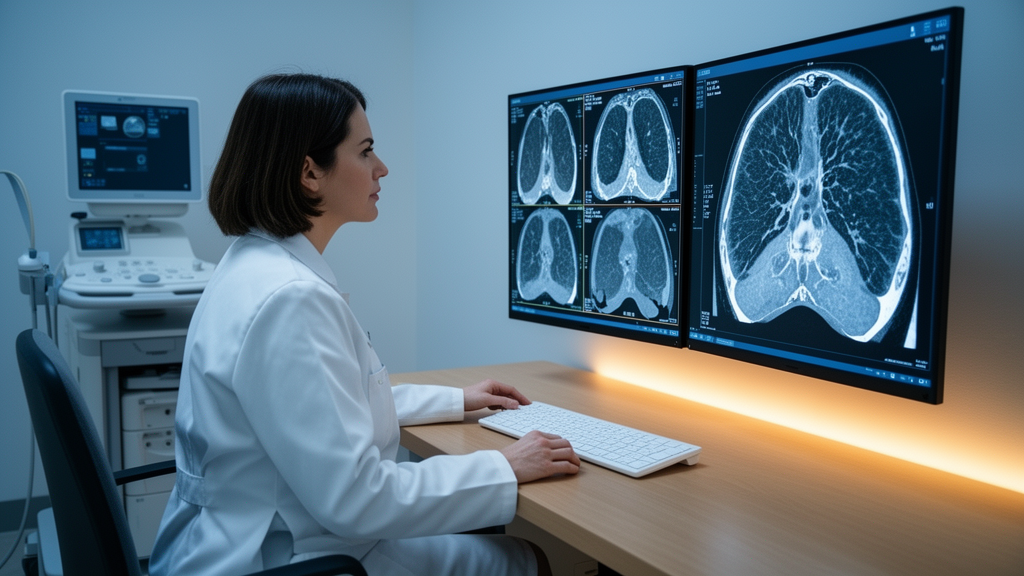
The MASAI trial recently released new evidence on how artificial intelligence helps doctors screen for breast cancer. This study looked at using AI during mammography to help find health problems faster. While the results show promise, experts say we still need better rules for how these medical devices are used.
How does artificial intelligence help in mammography screening?
Doctors use mammography to take X-ray pictures of breast tissue to look for signs of cancer. Reading these pictures takes a lot of time and requires a very careful eye to spot tiny changes. The MASAI trial tested how software can look at these images alongside human doctors to make the process better.
The main goal is to find cancer as early as possible when it is easier to treat. By using artificial intelligence, the screening process might become more accurate. The study looked at whether the technology could help doctors miss fewer cases while also reducing the number of false alarms that worry patients.
What were the results of the MASAI trial?
The MASAI trial provided real evidence about how this technology works in a hospital setting. It showed that the software could handle a large amount of data very quickly. This helps doctors focus their attention on the most difficult cases that need a human expert to make a final call.
- The trial used a large group of patients to get clear results.
- AI tools helped doctors identify patterns in the X-ray images.
- The study highlighted the need for clear safety standards for new software.
- Researchers looked for gaps in how these tools are checked by the government.
Why do we need more regulation of AI medical devices?
Even though the trial showed good results, there are still gaps in how these devices are regulated. When a computer helps make a medical choice, it must be safe every single time. Currently, the rules for these tools are still catching up to how fast the technology is moving.
Stronger regulation of artificial intelligence would ensure that every hospital uses tools that are tested and proven. If the rules are too loose, some tools might not work as well as the ones used in the MASAI trial. Patients and doctors need to know that the software is reliable before it becomes a standard part of every checkup.
What does this mean for the future of healthcare?
This news is important for ordinary people because it shows how checkups are changing. In the future, your doctor might use an AI assistant to double-check your health records or your X-rays. This could lead to faster results and fewer mistakes in busy clinics where doctors have many patients to see.
We should watch for new laws that will govern these medical tools in the coming years. As more trials like MASAI finish, we will understand exactly how much we can trust software to help with our health. For now, the focus remains on keeping humans in charge of the final decisions while using technology to support their work.
Comments
Post a Comment
Thank you for your comment