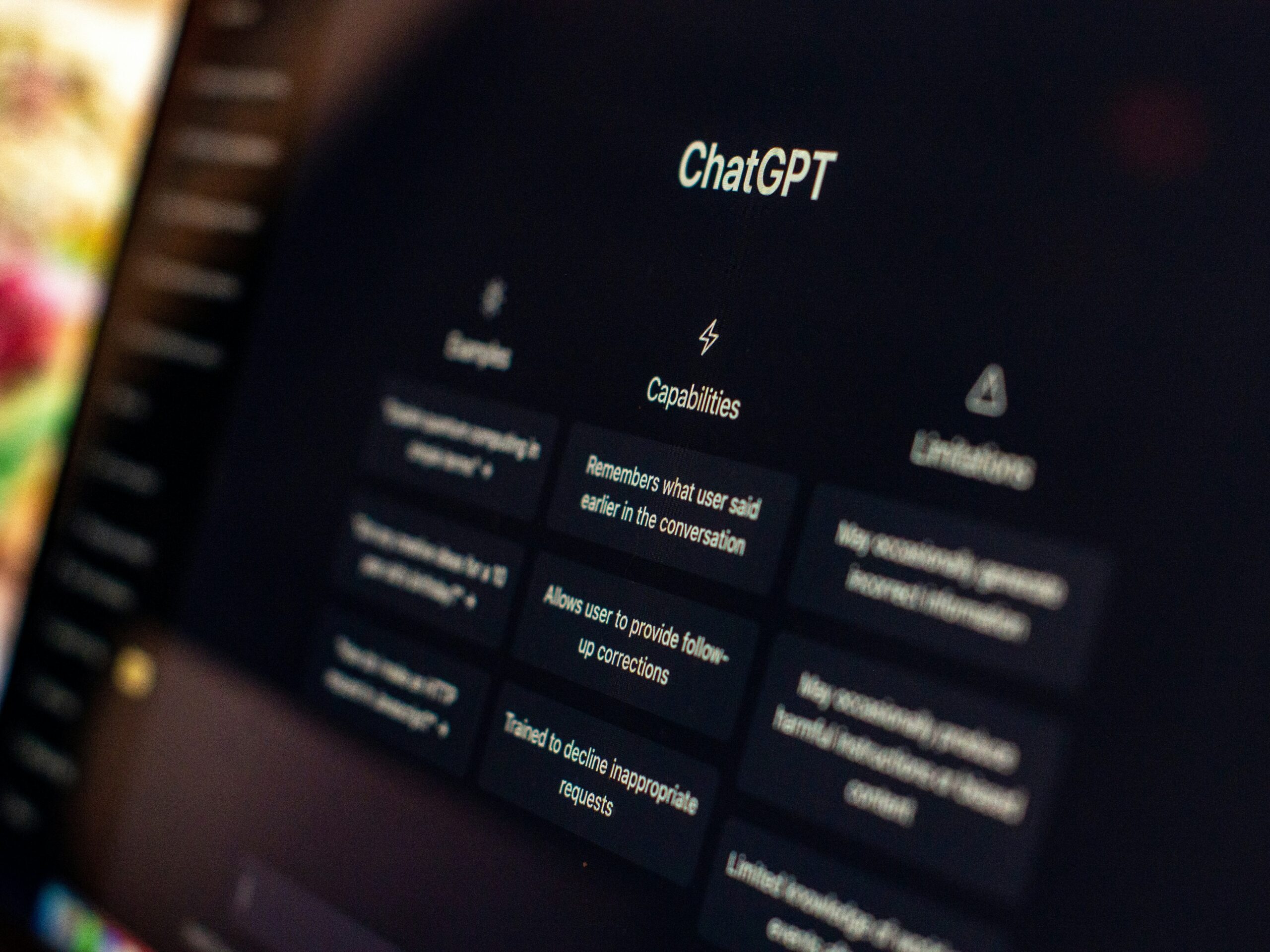
Religious Americans are now using artificial intelligence in their daily lives and spiritual routines. A new report from PRRI shows how people connect their deep beliefs to new technology.
How religious Americans are using artificial intelligence
Many people in the United States look at new tools with a mix of hope and caution. Artificial intelligence can help organize community events or study ancient texts with ease. Some users even search for spiritual guidance or answers to hard moral questions through chat programs.
This trend proves that modern tools are reaching every part of modern life. People want to know if using these systems fits with their traditional way of living. Religious leaders now face big choices about what is allowed and what crosses a line.
What this means for ordinary people
Everyday believers must decide how much they trust computer programs for spiritual help. While a machine can find text fast, it lacks a real soul or true empathy. Families and church groups need to talk about these choices before adopting new habits.
Understanding faith helps us see why people look for comfort in unusual places. Technology keeps changing the way communities gather and share their deepest values. Ordinary people should stay aware of what these programs can and cannot do for them.
What happened before this report
In the past, religious groups were often slow to accept major technology shifts. They waited to see how computers and phones would affect human connection. Over time, houses of worship learned to use the internet to reach wider audiences.
Now, artificial intelligence represents a much bigger step than simple websites or chat rooms. These new systems can mimic human speech and generate complex ideas on demand. That is why researchers decided to study how believers react to such powerful tools today.
What to watch next
People should watch for new rules and guidelines from various religious denominations. Leaders will likely release statements about what kind of tech use is acceptable. These official opinions will shape how millions of people approach computers in the coming years.
Developers might also start building specialized apps made just for prayer and scripture study. Observers will track whether these custom programs gain popularity or face strong pushback. The conversation between modern technology and ancient traditions is only just beginning.
Comments
Post a Comment
Thank you for your comment